
Housing Demand Holds Strong — But Mortgage Rates Just Hit an Inflection Point. Here's What It Means for Wrentham and the Surrounding Towns
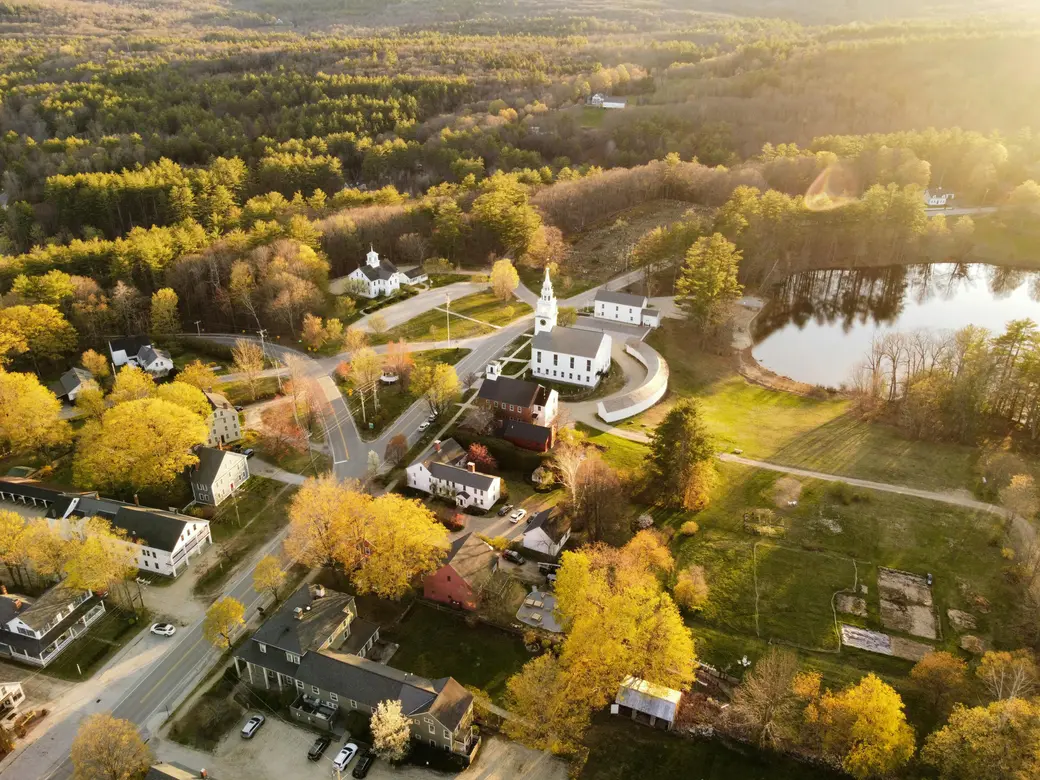
For most of 2026, the national housing story has been encouraging. Rates stayed below 6.25%, buyer demand grew week over week, and the market looked poised for its first real breakout year since 2021. But as of last week, something shifted — and if you're buying or selling in Wrentham, Franklin, Plainville, Norfolk, or Bellingham, you need to understand what's happening.
The National Picture: A Good Year That Just Got Complicated
Purchase application data showed 12% year-over-year growth nationally, with every week of 2026 posting positive year-over-year gains — a streak that signals genuine, sustained demand, not just seasonal noise. The engine behind that momentum was mortgage spreads holding near historical norms, which kept rates from climbing back above 7%.
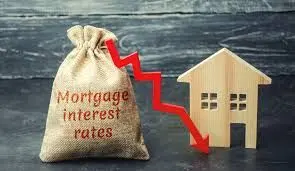
But last week marked a turning point. The 10-year Treasury yield closed above 4.31% for the first time since September 2025, and the bond market has now priced out all rate cuts — and is beginning to price in a rate hike. The driver is geopolitical uncertainty pushing oil prices and inflation expectations higher. Rates have moved from 6.10% at the start of the year to 6.53% in a matter of weeks, and the direction of travel matters as much as the number itself.
The Rate Threshold That Defines Your Market
Housing analysts have long identified a clear line: experts predict that if rates fall below 6% and stabilize there, both buyers and sellers will flood the market — unleashing pent-up demand that has been building for two years. The flip side is equally true. Every move toward 7% historically stalls the market. We are currently sitting in the uncomfortable middle.
The Wrentham-Area Market: Where Things Stand Right Now
The communities surrounding Wrentham — stretching from Franklin to the north, Plainville to the east, Norfolk to the northeast, and Bellingham to the west — each tell a slightly different story, but share one common thread: tight inventory and fast-moving homes.
Wrentham's housing market is very competitive, with homes receiving an average of 7 offers and selling in around 24 days. The typical Wrentham home value sits at $652,453, up 1.0% over the past year — steady appreciation rather than the dramatic swings seen during the pandemic boom. January 2026 data shows the median sale price climbing to $700,000, reflecting a 17.6% year-over-year gain — a sign that motivated buyers are still competing hard for the limited homes that come to market.
Franklin scores a 91 out of 100 on Redfin's competitiveness scale, making it one of the most competitive markets in the state. The average Franklin home value is $679,729, up 1.5% over the past year. In February 2026, 29 homes sold in Franklin — up from just 17 the year prior — a volume jump that reflects both improving buyer confidence and a community with enough infrastructure (commuter rail, strong schools, Route 495 access) to attract consistent demand.
Plainville is even faster-moving, with homes selling in 21 days on average and a median sale price of $636,000 — up 8.7% year-over-year. For buyers priced out of Wrentham or Franklin, Plainville has become an attractive entry point into the corridor, offering competitive pricing without sacrificing access to Route 1 and I-95.
Norfolk, MA sits at the premium end of the local market, with an average house price around $908,000 — reflecting its reputation for larger lots, strong schools, and a quieter character that draws buyers willing to pay up for the right property.
Bellingham rounds out the picture as the area's most affordable option, with a median sale price around $530,000 — up 4.9% year over year — and homes selling in just 18 days with most receiving multiple offers. Its proximity to both I-495 and Route 126 makes it an increasingly popular choice for buyers who want to stay in the area but need more room in their budget.
The Supply Problem Isn't Going Away
What all of these towns share is a structural inventory problem. Statewide, new listings in February 2026 were down 13.7% year over year, with just 3,908 homes coming to market across all of Massachusetts. New housing permits as of mid-2025 were down 44% from 2021 levels, creating a looming supply cliff for 2026 and 2027.
The Wrentham area is not immune to this. These are largely built-out communities with limited developable land and zoning constraints that don't easily accommodate new construction at scale. The modest inventory that does come to market gets absorbed quickly — which is why 24-day sell times are the norm, not the exception.
The Bottom Line for Local Buyers and Sellers
If you're a seller in Wrentham, Franklin, Plainville, Norfolk, or Bellingham, the window that produced strong demand throughout early 2026 may be narrowing as rates drift higher. Listing now puts you in front of motivated buyers before affordability concerns start trimming the pool.
If you're a buyer, the strategic calculus is clear: home prices in Massachusetts are forecast to appreciate 2–4% in 2026, with inventory growth of 5–10% providing improved selection — but not enough to flip this into a buyer's market. Waiting for a perfect rate that triggers a flood of new listings means competing against a significantly larger buyer pool when that moment arrives.
The next few weeks — and how the bond market responds to geopolitical and inflation signals — will tell us a lot about whether spring 2026 finishes strong or stalls at this inflection point.
Data sourced from Redfin, Zillow, Movoto, and Massachusetts Association of Realtors
Categories
Recent Posts



Agent Rhode Island 33269 / CT009277Massachusetts 139639
+1(401) 787-7128 | brendan@duckworthhomes.com